
في المطابخ التجارية, مطاعم الشواء, ومصانع تجهيز الأغذية, ال automatic kebab skewer machine has become an indispensable piece of equipment. فإنه يحل محل بطيء, labor-intensive manual skewering with a fast, صحية, and high-volume solution. But owning the machine is only half the battle—knowing how to operate it correctly is what unlocks its full potential.
This guide walks you through the complete operation process of an automatic kebab skewer machine, from initial setup to daily maintenance. Whether you are running a barbecue chain, a frozen food factory, or a central kitchen, mastering these steps will help you maximize efficiency, ensure product consistency, and extend the service life of your equipment.
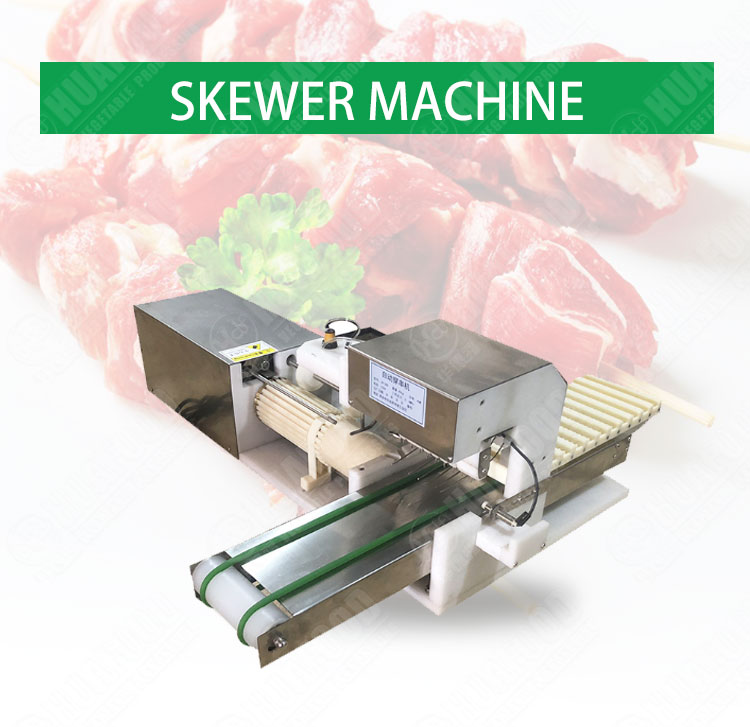
Before You Start: Skewer Machine Preparation
Proper preparation is the foundation of smooth operation. Before powering on the automatic kebab skewer machine, complete the following checks:
1. Inspect the Machine
Walk around the machine and check for any visible damage or loose components. Ensure all safety guards and sensors are in place. Most automatic kebab skewer machines are built with food-grade stainless steel structures that are corrosion-resistant and easy to sanitize. Verify that the machine is clean and free of debris from the previous production run.
2. Check Power and Air Supply
Automatic kebab skewer machines typically require both electrical power and compressed air. Confirm that the power supply matches the machine’s specifications—most models run on 220V or 380V. For pneumatic systems, ensure the air compressor pressure is within the required range, typically 0.6–0.8 MPa.
3. Select the Right Skewers and Molds
Different products require different skewer sizes. The machine supports skewers with diameters ranging from 2–5 mm and lengths from 6–45 cm. Choose bamboo sticks, wooden skewers, or stainless steel rods appropriate for your product. If your machine uses interchangeable molds, select the mold that matches your desired kebab shape and size.
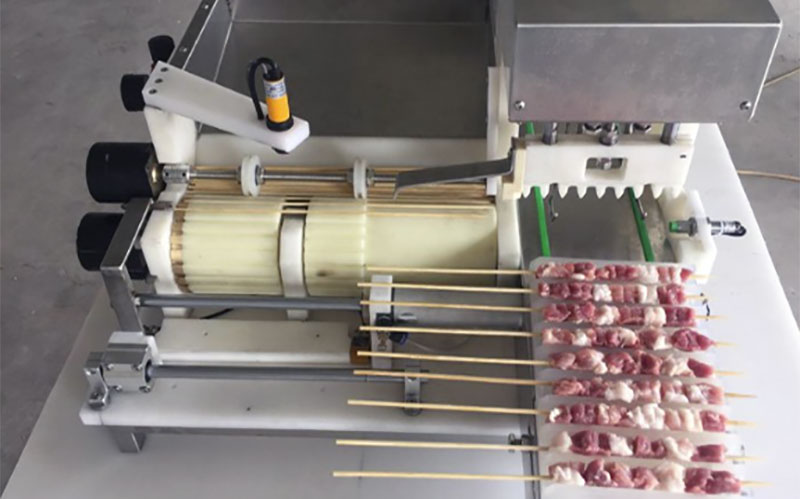
Step-by-Step Skewer Machine Operation Guide
Step 1: Prepare and Load the Ingredients
The first step in operating the automatic kebab skewer machine is ingredient preparation. لحمة, مأكولات بحرية, or vegetables must be cleaned and cut into uniform sizes.
-
Cutting consistency is critical. Pieces that are too large may jam the machine; pieces that are too small may not be held securely on the skewer. Follow the machine manufacturer’s recommended size specifications.
-
Arrange ingredients properly. Place the prepared ingredients into the designated trays, hoppers, or feeding units. Some advanced models allow you to load different ingredients in separate compartments, keeping them in sequence for alternating patterns like meat-vegetable-meat.
-
Adjust for ingredient texture. Softer ingredients like mushrooms and tomatoes require more delicate handling, while tougher meats may need more force to skewer effectively.
Step 2: Load the Skewers
While ingredients are being prepared, load the skewers into the machine’s skewer hopper or feed rack.
-
The machine’s built-in skewer feeding system automatically separates and delivers individual skewers to the threading station.
-
Ensure skewers are loaded correctly—misaligned skewers can cause jams or inconsistent product quality.
-
The automatic kebab skewer machine is programmed to pick up each skewer and insert it into a guiding mechanism that ensures the skewer passes through each piece of food at the right angle and spacing.
Step 3: Set Production Parameters
Modern automatic kebab skewer machines are equipped with PLC control systems and touchscreen interfaces. Before starting production:
-
Set skewer spacing. Program the desired pattern—all-meat, alternating meat and vegetables, or custom sequences.
-
Adjust production speed. Different ingredients may require different speeds. Softer products may need slower operation to prevent damage.
-
Set skewer length and protrusion. Some machines allow you to control how much of the skewer tip protrudes from the product.
-
Save these parameters for future use. The PLC system can store multiple operating parameter sets, making changeovers between different products quick and easy.
Step 4: Start the Automatic Skewering Process
Once all preparations are complete, start the machine.
-
Using pneumatic or servo-driven arms, the machine selects ingredients one at a time and pushes them onto the skewer according to the pre-programmed order and spacing.
-
The entire process is completed with high precision, ensuring that skewered items are evenly spaced and firmly held in place. This not only improves visual appeal but also ensures even cooking on grills or in ovens.
-
Monitor the first few skewers to confirm that the settings are correct. Make minor adjustments if needed.
Step 5: Collect Finished Kebabs
After the skewer is assembled, it is gently ejected or placed onto a collection tray or conveyor belt.
-
Finished kebabs can be moved directly to the cooking area, packaged for retail sale, or frozen for future use.
-
Some automatic kebab skewer machines integrate with automated packaging systems, streamlining the workflow even further in large-scale food processing plants.
Step 6: Shut Down and Clean
Proper shutdown and cleaning are essential for maintaining hygiene and extending machine life.
-
Turn off the power and air supply.
-
Disassemble removable parts according to the manufacturer’s instructions. Most machines feature easy disassembly for thorough cleaning.
-
Clean all food-contact surfaces with food-grade sanitizers. The stainless steel construction resists corrosion and makes sanitization straightforward.
-
Lubricate moving parts as specified in the maintenance manual.
Here is the automatic kebab skewer machine youtube video working process in our factory for your reference!!
Key Features That Make Operation Easy
Understanding the features of your automatic kebab skewer machine will help you operate it more effectively:
Touchscreen PLC Control
The intelligent control system allows operators to easily adjust production parameters and monitor machine operation in real time. One-button numerical control makes the interface intuitive and simple.
قدرة إنتاجية عالية
Depending on the model, automatic kebab skewer machines can produce anywhere from 1,000 to over 5,000 skewers per hour. This capacity replaces 4–6 manual workers, significantly reducing labor costs.
Versatile Ingredient Compatibility
The machine can handle a wide variety of ingredients—chicken, beef, حمَل, pork, جمبري, حبار, الفطر, بطاطا, bell peppers, وأكثر.
Hygienic Food-Grade Construction
Built with SUS304 stainless steel and food-grade materials, the machine meets international food safety standards. This makes it suitable for HACCP-compliant processing environments and export markets.
Quick Changeover
Interchangeable molds and adjustable parameters allow rapid switching between different product types—from lamb kebabs to vegetable skewers in minutes.
Common Operating Mistakes to Avoid
Even with an automated machine, operator errors can affect production quality:
-
Inconsistent ingredient sizing. Always cut ingredients to uniform dimensions. Variations will cause uneven skewering and potential jams.
-
Overloading the hopper. Overfilling the ingredient trays can cause misalignment. Follow the manufacturer’s recommended loading capacity.
-
Skipping pre-start checks. Always inspect the machine and verify air pressure and power before starting production.
-
Ignoring maintenance schedules. Regular cleaning and lubrication prevent breakdowns and extend machine life.
Maintenance Tips for Long-Term Operation
To keep your automatic kebab skewer machine running at peak performance:
-
Clean after every shift. Thorough cleaning and sanitizing after each use prevents bacterial growth and residue buildup.
-
Check and sharpen blades regularly. Dull blades reduce cutting quality and increase strain on the machine.
-
Lubricate moving parts. Follow the manufacturer’s lubrication schedule to minimize wear.
-
Inspect pneumatic components. Check air hoses and fittings for leaks or damage.
-
Keep spare parts on hand. Common wear items like O-rings, شفرات, and sensors should be stocked to minimize downtime.
ملخص
Operating an automatic kebab skewer machine is straightforward when you follow the proper procedures. The process involves six key steps: preparing and loading ingredients, loading skewers, setting production parameters, starting the automatic skewering process, collecting finished products, and performing shutdown cleaning.
The machine’s intelligent PLC control system, touchscreen interface, and versatile design make it accessible even for operators with lower skill levels. With production capacities ranging from 1,800 to over 5,000 skewers per hour, it dramatically reduces labor costs while ensuring consistent, hygienic product quality.
Whether you are producing lamb kebabs, أسياخ الدجاج, or vegetable combinations, mastering the operation of your automatic kebab skewer machine is the key to unlocking higher productivity, better product consistency, and greater profitability for your business.
We Want to Hear From You!
Now that you know how to operate an automatic kebab skewer machine, we’d love to hear about your experience. Have you used this equipment in your restaurant or food processing facility? What challenges have you faced, and what tips would you share with other operators?
Leave a comment below and let us know your thoughts! If you found this guide helpful, please share it with your colleagues and fellow food industry professionals. Your insights could help others optimize their production and avoid common pitfalls.
Don’t forget to subscribe to our blog for more equipment guides, maintenance tips, and industry insights!
700-500-6-500x383.jpg)