
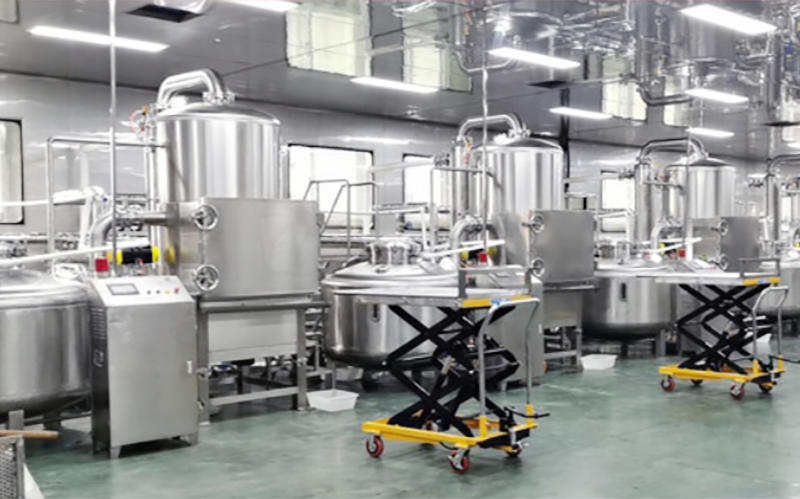
Мировая индустрия снеков переживает глубокую трансформацию.. Потребителей больше не удовлетворяют традиционные жареные закуски с высоким содержанием масла., artificial additives, and harmful compounds. They demand products that are not only delicious but also nutritious, clean-label, and minimally processed. This shift in consumer behavior has created an urgent need for innovative food processing technologies that can deliver the crispy, flavorful texture consumers love—without the health compromises.
Введите industrial vacuum fryer. This revolutionary piece of equipment has emerged as a game-changer in the snack production landscape, enabling manufacturers to produce healthier snacks that retain natural colors, вкусы, и пищевая ценность. Unlike conventional atmospheric fryers that operate at high temperatures, an industrial vacuum fryer fries food under reduced pressure, significantly lowering the boiling point of both oil and moisture. The result? Snacks that are lower in fat, free from acrylamide, and superior in sensory quality.
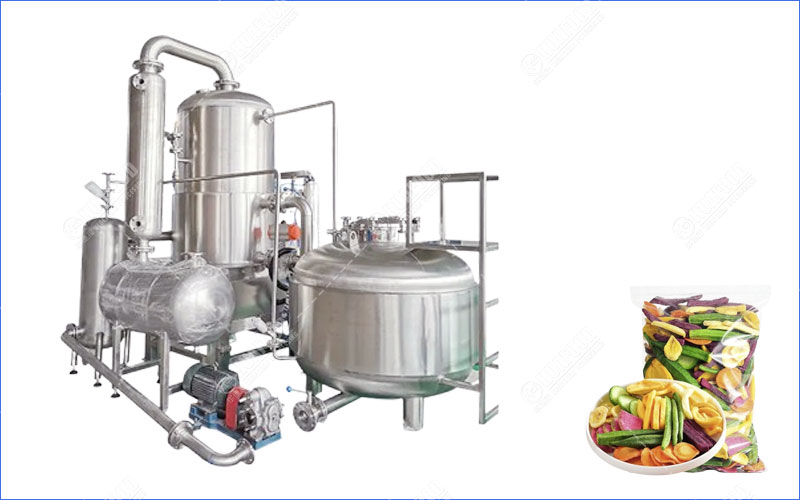
This production guide provides a comprehensive overview of industrial vacuum fryer technology, walking you through everything from the underlying principles to step-by-step production processes, equipment selection criteria, maintenance best practices, and future market trends. Whether you are a seasoned snack manufacturer looking to upgrade your production line or a newcomer exploring entry into the healthy snack market, this guide will equip you with the knowledge you need to make informed decisions about integrating an industrial vacuum fryer into your operations.
Chapter 1: Understanding the Industrial Vacuum Fryer
1.1 What Is an Industrial Vacuum Fryer?
Анонца industrial vacuum fryer is a specialized deep-frying device housed inside a vacuum chamber. Unlike conventional fryers that operate at atmospheric pressure with frying temperatures around 170°C (338°F), an industrial vacuum fryer operates at significantly reduced pressure, allowing frying temperatures to drop to approximately 80–120°C. This fundamental difference in operating conditions is what sets vacuum frying apart from traditional frying methods and unlocks a host of benefits for snack producers.
The core principle behind the industrial vacuum fryer is simple yet elegant: as pressure decreases, the boiling point of water also drops. В вакуумной среде, moisture within the food evaporates at much lower temperatures than it would under atmospheric conditions. This means that an industrial vacuum fryer can effectively dehydrate and crisp food products without exposing them to the damaging effects of high heat.
1.2 Key Components of an Industrial Vacuum Fryer
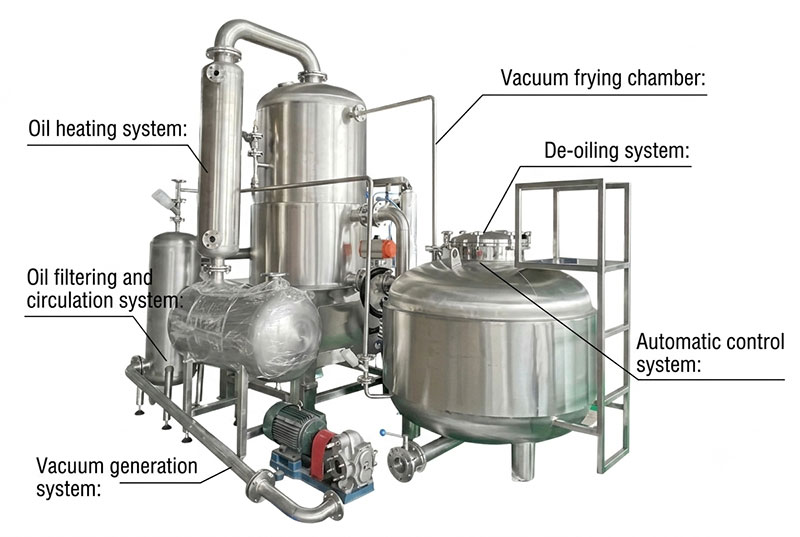
A typical industrial vacuum fryer system comprises several integrated components that work in harmony to deliver consistent, high-quality output:
-
Vacuum frying chamber: The sealed vessel where the frying process takes place under reduced pressure
-
Oil heating system: Provides precise temperature control, typically with electric or steam heating options
-
Vacuum generation system: Maintains the required vacuum level throughout the frying cycle
-
Oil filtering and circulation system: Ensures oil quality and prolongs oil life
-
De-oiling system: Removes excess oil from the finished product
-
Автоматическая система управления: Manages the entire process with programmable recipes and real-time monitoring
1.3 Batch vs. Continuous Industrial Vacuum Fryers
When selecting an industrial vacuum fryer, one of the most important decisions is choosing between batch and continuous systems. Batch-type industrial vacuum fryers are typically used for smaller production volumes and are well-suited for processing fruits and vegetables. These systems offer flexibility for producers who run multiple product lines or have varying production schedules.
Непрерывный industrial vacuum fryers, on the other hand, are designed for larger-scale commercial production. In these installations, the frying pan is installed inside a stainless steel vacuum tube, and raw product is fed through a rotary airlock. A transport belt carries the finished product out of the fryer while a lock chamber at the exit prevents air from entering the vacuum zone. Continuous systems offer higher throughput, lower per-unit costs, and reduced oil degradation compared to batch systems.
Chapter 2: The Science Behind Vacuum Frying
2.1 How Does an Industrial Vacuum Fryer Work?
The operation of an industrial vacuum fryer is rooted in fundamental thermodynamic principles. As the vacuum pump removes air from the frying chamber, the pressure drops below atmospheric levels. This reduction in pressure lowers the boiling point of both the frying oil and the moisture contained within the food product.
When food is submerged in hot oil within an industrial vacuum fryer, the moisture inside the food begins to vaporize at the reduced boiling point. This rapid evaporation creates a porous, crispy structure while the relatively low oil temperature prevents excessive oil absorption. The result is a product that is crispy on the outside, tender on the inside, and significantly lower in fat than conventionally fried alternatives.
2.2 Temperature and Pressure Parameters
The precise control of temperature and pressure is critical to achieving optimal results with an industrial vacuum fryer. Typical operating parameters include:
-
Frying temperature: 80–120°C, depending on the product type
-
Vacuum degree: До -0.098 МПа (approximately 28.5 mm Hg)
-
Frying time: 45–90 minutes, depending on moisture content
These parameters can be fine-tuned to suit specific products. Например, research has shown that optimal vacuum frying of carrot chips occurs at 100°C and 11 kPa for 16 минуты, producing chips with approximately 0.38% moisture and 11.3% oil content. For potato strips, optimal conditions have been identified as 155 mmHg, 111°С, и 6 minutes of frying time.
2.3 The Acrylamide Advantage
One of the most compelling reasons to adopt an industrial vacuum fryer is the significant reduction in acrylamide formation. Acrylamide is a chemical compound classified as a potential carcinogen that forms in starchy foods during high-temperature cooking. Conventional atmospheric frying at 170°C promotes acrylamide formation, whereas an industrial vacuum fryer operates at temperatures up to 120°C—well below the threshold where acrylamide forms in significant quantities.
Studies have demonstrated that vacuum frying can achieve approximately 94% acrylamide reduction compared to atmospheric frying. This is a critical advantage for manufacturers seeking to meet increasingly stringent food safety regulations and consumer expectations for clean-label, safe products.
Chapter 3: Промышленная вакуумная фритюрница Step-by-Step Production Guide
This section provides a comprehensive, step-by-step guide to producing high-quality vacuum-fried snacks using an industrial vacuum fryer. Following these steps will help you achieve consistent results while maximizing the efficiency of your production line.
Step 1: Raw Material Selection and Preparation
The journey to exceptional vacuum-fried snacks begins with careful raw material selection. Анонца industrial vacuum fryer can process a remarkably wide range of foods, including:
-
Фрукты: Apples, бананы, джекфрут, клубника, durian
-
Овощи: Картофель, сладкая картошка, морковь, лук, сельдерей, beets, бамия
-
Другой: Мясо, рыба, морепродукты, pigskin, орехи, soy products
When selecting raw materials for your industrial vacuum fryer, prioritize fresh, high-quality produce with consistent size and maturity. Inconsistent raw materials will lead to inconsistent frying results, regardless of how sophisticated your industrial vacuum fryer may be.
Step 2: Cleaning and Sorting
The production process begins with thorough cleaning and sorting of raw materials. Remove any dirt, обломки, or damaged portions. Sort produce by size to ensure uniform processing in the industrial vacuum fryer. This step is essential for maintaining product quality and preventing contamination of the frying oil.
Step 3: Slicing or Cutting
Raw materials are then sliced or cut to the desired shape and thickness using specialized cutting equipment. Uniform slice thickness is crucial for consistent frying results in an industrial vacuum fryer. Variations in thickness will lead to uneven moisture removal, with thinner slices becoming over-fried while thicker slices remain under-processed.
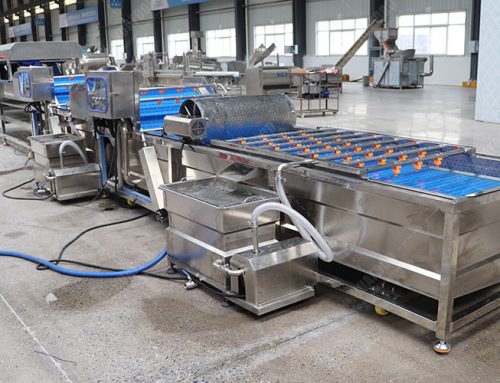
Step 4: Бланширование (Color Protection)
Many fruits and vegetables benefit from blanching before vacuum frying. Blanching involves briefly immersing the sliced product in hot water or steam. This preliminary heat treatment:
-
Сохраняет естественный цвет
-
Reduces product volume
-
Increases elasticity
-
Removes air from the product while maintaining useful substances and vitamins
-
Reduces microorganisms
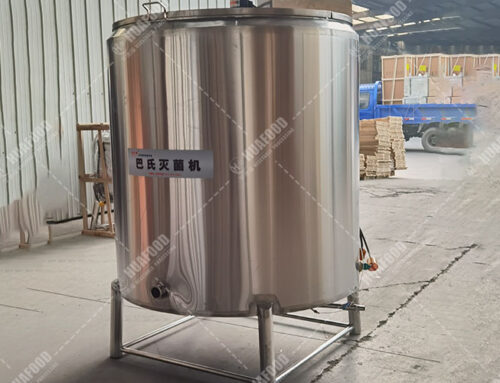
Анонца industrial vacuum fryer can be integrated with a blanching tank as part of a complete production system, streamlining the entire process.
Step 5: Draining and Optional Pre-treatment
After blanching, the product must be thoroughly drained to remove excess surface moisture. Some manufacturers also employ additional pre-treatments such as freezing, thawing, or vacuum impregnation depending on the specific product requirements. These steps can enhance texture, improve flavor infusion, or extend shelf life.
Step 6: Loading the Industrial Vacuum Fryer
With the product prepared, it is time to load the industrial vacuum fryer. The specific loading procedure depends on whether you are using a batch or continuous system:
-
Batch system: Place the prepared product into the frying basket and lower it into the frying chamber
-
Continuous system: Feed the product through the rotary airlock into the vacuum tube
Before loading, verify that your industrial vacuum fryer has been properly prepared: check all pipe fittings and valves, confirm that electrical facilities are normal, and ensure the appropriate oil has been heated to the correct temperature.
Step 7: Vacuum Frying
Once the product is loaded, тот industrial vacuum fryer is sealed and the vacuum pump is activated. As the chamber reaches the target vacuum level, the frying process begins. The industrial vacuum fryer automatically maintains the preset temperature and pressure throughout the frying cycle.
Во время жарки, moisture within the food rapidly evaporates under the reduced pressure conditions. This creates the characteristic crispy, porous texture of vacuum-fried snacks. The entire process is monitored and controlled by the industrial vacuum fryer‘s automatic control system, which displays all processes on the operator’s panel.
Step 8: Vacuum De-oiling
After the frying cycle is complete, тот industrial vacuum fryer performs a critical de-oiling step. The de-oiling mechanism removes excess oil from the surface of the fried product. This step is essential because vacuum frying can sometimes result in excessive oil absorption at the product surface.
The de-oiling process typically involves centrifugal force, with the frying basket spinning at speeds of 50–300 rpm to effectively remove surface oil. Research has shown that extending the de-oiling duration can significantly reduce oil content.
Step 9: Приправа (Необязательный)
For flavored products, the vacuum-fried snacks can be transferred to a seasoning drum where oils, специи, and flavorings are applied. The porous structure created by the industrial vacuum fryer allows seasonings to adhere effectively, resulting in flavorful products with excellent taste release.
Step 10: Packaging and Storage
The final step in the production guide is packaging. Proper packaging is essential for maintaining the crispness and quality of vacuum-fried snacks. Use moisture-barrier packaging materials and consider modified atmosphere packaging to extend shelf life. Vacuum-fried products have been shown to demonstrate excellent shelf stability when properly packaged.
Here is the industrial vacuum fryer machine working process for carrot strips snacks for your reference!!
Chapter 4: Промышленная вакуумная фритюрница Key Advantages
4.1 Superior Nutritional Retention
One of the most significant advantages of using an industrial vacuum fryer is the exceptional retention of nutrients. Studies have shown that vacuum-fried snacks retain up to 90% of their original nutrients, compared to conventional frying methods that can destroy many beneficial properties. Carrot chips vacuum fried at 98°C retain approximately 90% of total carotenoids, while potato and apple slices preserve around 95% of their initial ascorbic acid content.
Purple sweet potato chips produced in an industrial vacuum fryer have demonstrated 86% retention of anthocyanin content, along with a 35.6% reduction in oil content. This remarkable nutrient retention makes industrial vacuum fryer technology particularly valuable for manufacturers targeting health-conscious consumers.
4.2 Lower Oil Content
Анонца industrial vacuum fryer produces snacks with significantly lower oil content than atmospheric frying. Vacuum-fried carrot and potato chips absorb about 50% less oil than their atmospheric-fried counterparts. This reduction in oil absorption is achieved through the combination of lower frying temperatures and the vacuum de-oiling step.
The lower oil content not only makes the final product healthier but also reduces production costs by minimizing oil consumption.
4.3 Extended Oil Life
The industrial vacuum fryer also offers significant advantages in terms of oil quality and longevity. The reduced oxygen environment within the vacuum chamber slows down oxidative deterioration of the frying oil. Research has clearly demonstrated that vacuum frying achieves a significantly lower deterioration rate than atmospheric frying, conferring much longer useful life and better nutritional qualities to the oil.
Oil acidity is lowered by almost half when vacuum drainage is integrated, and oxidative deterioration is reduced by approximately 12%. For large-scale producers, this extended oil life translates directly into reduced operating costs.
4.4 Энергоэффективность
Despite the sophisticated technology involved, an industrial vacuum fryer can be more energy-efficient than conventional frying systems. Research has shown that vacuum frying systems can reduce energy consumption by up to 32.6% compared to atmospheric frying. This energy efficiency, combined with reduced oil consumption, makes the industrial vacuum fryer an economically attractive option for snack manufacturers.
4.5 Product Versatility
The industrial vacuum fryer is remarkably versatile, capable of processing everything from delicate fruits to meat products. This versatility allows manufacturers to diversify their product portfolios without investing in multiple specialized pieces of equipment. Анонца industrial vacuum fryer can produce fruit chips, vegetable crisps, meat snacks, seafood products, and even confectionery items.
Chapter 5: Selecting the Right Industrial Vacuum Fryer
5.1 Capacity Considerations
When selecting an industrial vacuum fryer, capacity is perhaps the most critical factor. Industrial vacuum fryers are available in a wide range of capacities, from laboratory-scale units processing 10–50 kg per batch to industrial-scale systems handling 300 kg per hour or more.
Consider your current production volume, projected growth, and the specific products you plan to manufacture. It is generally advisable to choose an industrial vacuum fryer with slightly more capacity than your current needs to accommodate future expansion.
5.2 Batch vs. Непрерывный
As discussed earlier, the choice between batch and continuous industrial vacuum fryers depends on your production requirements. Batch systems offer greater flexibility for diverse product lines, while continuous systems deliver higher throughput and lower per-unit costs for large-scale operations.
5.3 Heating System
Industrial vacuum fryers are available with either electric or steam heating systems. The choice depends on your facility’s infrastructure, energy costs, and specific product requirements. Electric heating offers precise temperature control, while steam heating may be more cost-effective in facilities with existing steam generation capacity.
5.4 Automation and Control
Modern industrial vacuum fryers feature sophisticated automatic control systems with programmable recipes. These systems minimize operator effort, eliminate human error, and ensure consistent product quality across batches. When evaluating an industrial vacuum fryer, look for systems with intuitive interfaces, recipe storage capabilities, and real-time process visualization.
5.5 Construction and Materials
Анонца industrial vacuum fryer represents a significant capital investment, and durability should be a key consideration. The frying chamber must be a certified pressure vessel, typically constructed from thick, high-grade stainless steel such as SS304 or SS316. Food-grade stainless steel construction ensures hygiene, долговечность, and compliance with food safety regulations.
Chapter 6: Maintenance and Best Practices
6.1 Daily Maintenance
Proper maintenance is essential for maximizing the lifespan and performance of your industrial vacuum fryer. Daily maintenance tasks include:
-
Cleaning the industrial vacuum fryer to remove oil residues and food particles
-
Checking and replacing oil filters as needed
-
Inspecting heating elements and temperature controls for proper functioning
-
Verifying that all electrical connections are secure
6.2 Oil Management
Oil quality directly affects both product quality and the performance of your industrial vacuum fryer. Implement a regular oil testing and replacement schedule based on your production volume. The oil filtering system integrated into most industrial vacuum fryers helps maintain oil quality between changes.
6.3 Deep Cleaning
Periodic deep cleaning of your industrial vacuum fryer is essential for maintaining hygiene and preventing oil degradation. After each use, allow the industrial vacuum fryer to cool completely before cleaning. Use soft cloths and neutral detergents to avoid damaging surfaces. For more thorough cleaning, some manufacturers recommend boiling water in the fryer with food-grade soda powder to remove stubborn residues.
6.4 Preventive Maintenance
Establish a preventive maintenance schedule for your industrial vacuum fryer that includes:
-
Regular inspection of vacuum seals and gaskets
-
Calibration of temperature and pressure sensors
-
Lubrication of moving parts
-
Testing of safety systems and emergency shutoffs
Chapter 7: Market Trends and Future Outlook
7.1 Growing Market Demand
The market for industrial vacuum fryers is experiencing robust growth. The global vacuum fryer machines market was valued at USD 1.3 billion in 2024 and is projected to reach USD 2.7 billion by 2032, representing a compound annual growth rate (CAGR) из 9.35%. This growth is driven by increasing consumer demand for healthier snack alternatives and the rising popularity of clean-label, minimally processed foods.
7.2 Regional Leadership
The Asia Pacific region currently dominates the industrial vacuum fryer рынок, accounting for approximately 42% of total market revenue. North America follows with 28%, Europe with 18%, Latin America with 7%, and the Middle East and Africa with 5%. This regional distribution reflects the strong demand for vacuum-fried snacks in Asian markets, particularly in countries like China, Таиланд, Индонезия, and the Philippines where fruit chips are popular.
7.3 Technological Advancements
The industrial vacuum fryer market is characterized by continuous technological innovation. Key trends include:
-
Integration of IoT and automation technologies for improved efficiency
-
Energy-recovery heat exchangers to reduce operating costs
-
Automated oil filtration modules for extended oil life
-
Модульный, scalable designs for greater flexibility
-
Remote monitoring and predictive maintenance capabilities
7.4 Regulatory Drivers
Regulatory attention on acrylamide levels and oil quality standards is driving equipment upgrades across the industry. Manufacturers are investing in industrial vacuum fryers with precise temperature and pressure controls to meet stringent quality standards and labeling requirements for clean-label and low-acrylamide products.
Chapter 8: Overcoming Common Challenges
8.1 Capital Investment
The primary barrier to adopting an industrial vacuum fryer is the significant capital investment required. Однако, manufacturers are responding with modular machine platforms, leasing options, and equipment-as-a-service models to spread capital costs. When evaluating the ROI of an industrial vacuum fryer, consider the long-term savings from reduced oil consumption, extended oil life, и энергоэффективность.
8.2 Operator Training
The complexity of industrial vacuum fryer systems requires proper operator training. Manufacturers increasingly offer comprehensive training programs, including operator certification, to ensure optimal performance and rapid troubleshooting.
8.3 Product Development
Developing new products for an industrial vacuum fryer requires expertise in recipe formulation and process optimization. Many industrial vacuum fryer manufacturers provide craft consultation services and recipe development support to help customers maximize their investment.
Заключение: Your Path to Healthier Snack Production
The industrial vacuum fryer represents a transformative technology for the snack food industry. By operating at reduced pressure and lower temperatures, this remarkable equipment enables manufacturers to produce snacks that are healthier, more nutritious, and superior in sensory quality compared to conventionally fried alternatives.
From the preservation of natural colors and flavors to the dramatic reduction of oil content and acrylamide formation, the advantages of the industrial vacuum fryer are compelling. With a growing global market projected to reach USD 2.7 billion by 2032, now is the time to position your business at the forefront of this healthy snack revolution.
The production guide outlined in this article provides a comprehensive roadmap for integrating an industrial vacuum fryer into your operations. Whether you are processing fruit chips, vegetable crisps, meat snacks, or seafood products, тот industrial vacuum fryer offers the versatility, эффективность, and quality that today’s discerning consumers demand.
Ready to Transform Your Snack Production?
The industrial vacuum fryer is more than just a piece of equipment—it is a strategic investment in the future of your snack manufacturing business. From lower operating costs and extended oil life to superior product quality and regulatory compliance, the benefits are clear.
We invite you to take the next step toward healthier, more profitable snack production.
Contact our team of industrial vacuum fryer specialists today for a personalized consultation. Мы поможем вам:
-
Assess your specific production requirements
-
Select the right industrial vacuum fryer configuration for your needs
-
Develop optimized recipes for your target products
-
Plan your production line integration
-
Provide comprehensive training and ongoing support
Visit our website or fill out the inquiry form below to receive detailed specifications, customized quotations, and expert guidance on implementing the ideal industrial vacuum fryer solution for your facility.
Don’t wait—the healthy snack revolution is here. Let us help you lead the way with the industry’s most advanced industrial vacuum fryer technology.
700-500-6-500x383.jpg)